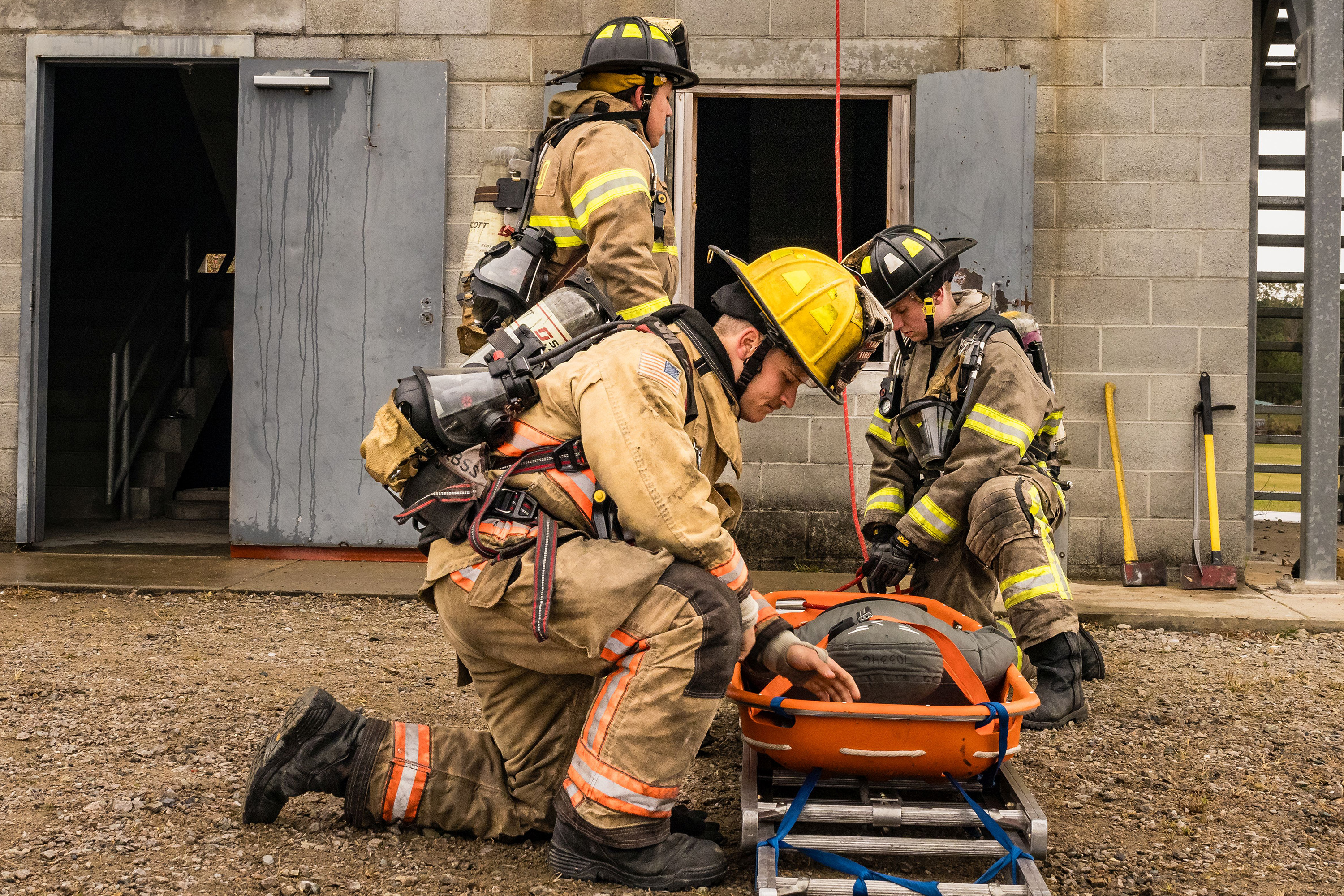
When a 911 call comes in at 2 a.m. in rural Lee County — or a structure fire breaks out on a farm road in Harnett — the response depends entirely on the preparation of whoever shows up. Now, with $5.8 million in newly secured federal funding, Central Carolina Community College is building a Fire Rescue & EMS Training Facility designed to serve as the regional training backbone for public safety departments across its three-county footprint.
The investment addresses a widening gap. Population and economic growth across Chatham, Harnett, and Lee counties have accelerated demand for qualified firefighters and emergency medical technicians, while rural departments, many of them volunteer or part-time, face the same workforce challenges without the same access to training infrastructure that larger urban systems enjoy.
“It’s an investment in the safety of every resident in our three-county service area,” said Interim Associate Vice President for Workforce Development & Continuing Education Roy E. Allen in a press release.
CCCC is already the sixth-largest public safety training provider in North Carolina and the state’s leading center for rural public safety training. The new facility will allow the college to expand that role significantly, increasing student capacity across all public safety programs simultaneously and creating a purpose-built training environment designed to reflect the real conditions first responders encounter in the field.
The new Fire Rescue & EMS Training Facility will be located at CCCC’s Emergency Services Training Center in Sanford. Its design concept is based on a working fire and EMS station, providing real-world training opportunities. Plans call for five bay stations for fire trucks and ambulances, specialized medical and fire training classrooms, office space, and a communal cooking and dining area that reflects how firefighters actually live: together, around the clock, as a second family.
That immersive design philosophy is intentional. For rural departments that rely on a mix of career and volunteer personnel, often responding across wide geographic areas, realistic training conditions matter more, not less.
“We’re ensuring that when our neighbors call for help, the person who arrives has trained in the most realistic environment possible,” Allen added in a press release.
Currently, CCCC’s Fire Rescue and EMS programs operate out of separate buildings at the Emergency Services Training Center. The new facility will bring them under one roof, a practical change with meaningful regional implications.
In real-world emergencies, fire and EMS personnel do not usually operate in isolation. Across Chatham, Harnett, and Lee counties, multi-agency responses are routine. Combined training opportunities will help students develop the cross-discipline coordination skills that regional emergency response actually requires, making graduates more effective not just as individual practitioners but as participants in a regional system.
Funding for the project was secured through the federal budget with support from Senator Thom Tillis, who championed the need for public safety infrastructure in rural North Carolina.
“We are incredibly grateful for Senator Tillis recognizing the importance of public safety in all of North Carolina, and in particular the challenges that rural North Carolinians have,” said CCCC President Dr. Lisa M. Chapman in a press release.
CCCC has been proactively pursuing external funding to help keep pace with regional growth. The Fire Rescue & EMS Training Facility is a result of that strategy: a resource that will be built with the help of outside investment but designed to serve local needs for decades to come.
For the three-county region that depends on CCCC, it represents something beyond bricks and equipment. It is the infrastructure that ensures the next generation of first responders is ready when it matters most.
Central Carolina Community College serves Chatham, Harnett and Lee counties in North Carolina. The college is the sixth-largest public safety training provider in the state and the leading center for rural public safety training.





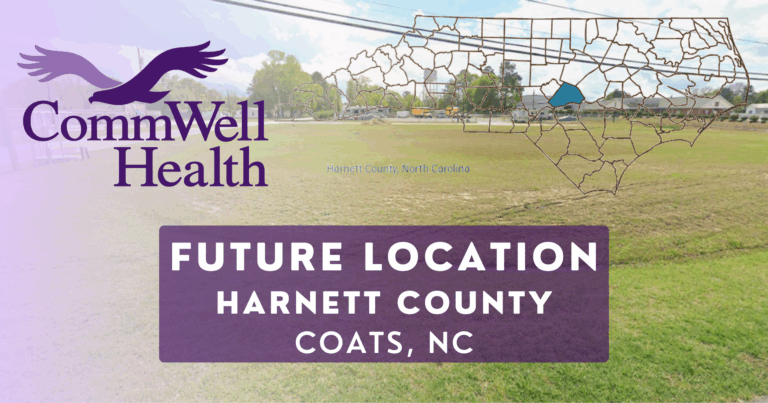
Graphic courtesy of CommWell HealthCommWell Health, a large private nonprofit Community Health Center, was recently awarded a competitive grant through the Health Resources and Services Administration (HRSA) to expand essential healthcare access in C
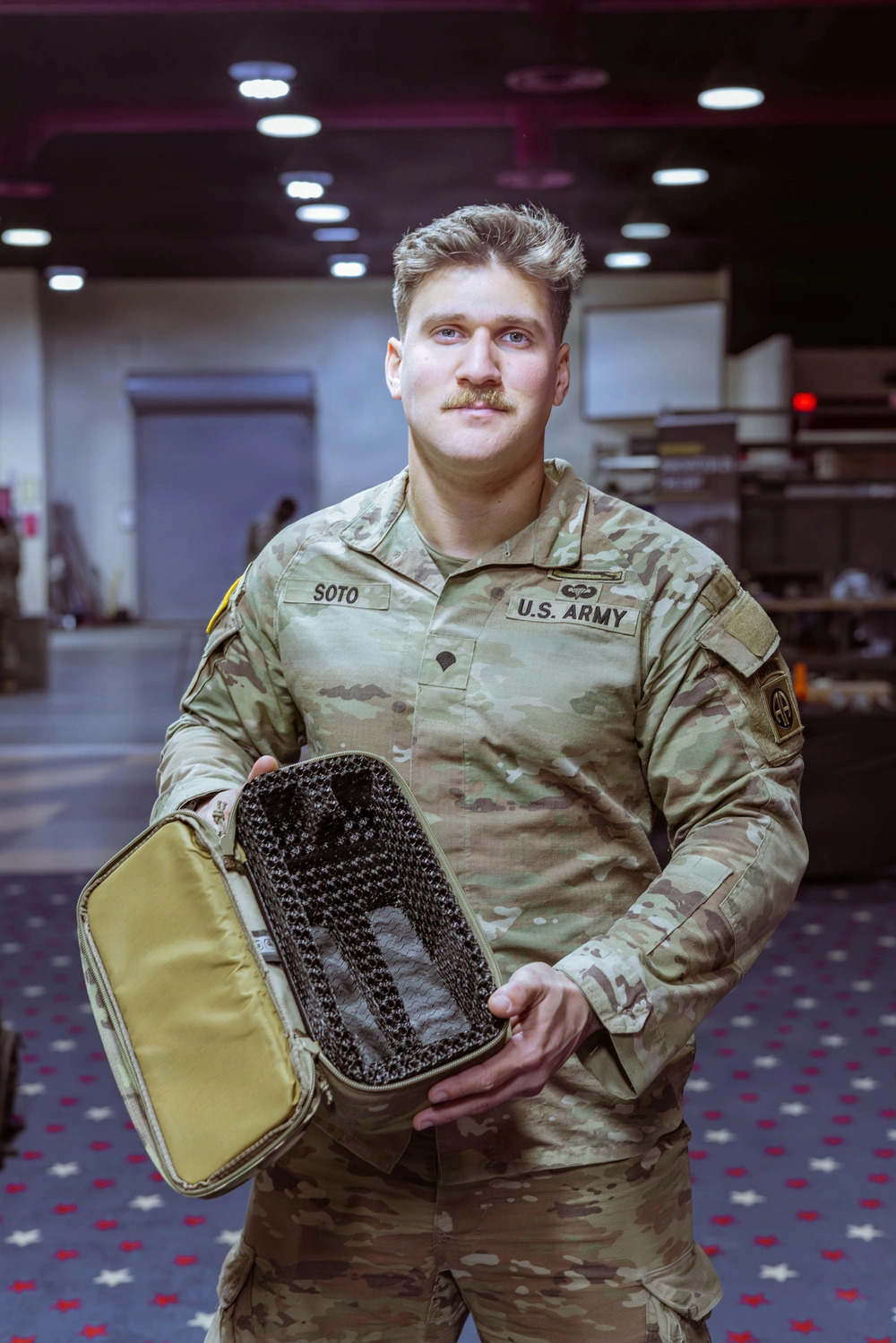
Spc. Alexander Soto, a paratrooper assigned to the 1st Battalion, 504th Parachute Infantry Regiment, presents the modular drone case at the Airborne Innovation Lab, Fort Bragg, North Carolina, Feb. 9, 2026. Soto noted the recurring problem of drones

Graphic provided by Sampson County Friends of AgricultureThe Sampson County Friends of Agriculture would like to invite the greater Fayetteville community to their annual Agriculture Rally on March 17, 2026, at 6:30 p.m. Originally organized by