If you attended the Defense Industry Supply Chain (DISC) Summit last month in Charlotte, you may have noticed an emphasis on workforce development. The North Carolina Military Business Center (NCMBC) focused a portion of the program on North Carolina’s robust partnerships between academia, defense industry businesses, and the federal government in creating a viable pipeline of highly skilled workers. If a business does not have the adequate workforce to complete projects, they are not able to uphold their contractual obligations. Therefore, the NCMBC utilized its platform to highlight the challenges and opportunities in workforce development for the defense industry.
The DISC workforce panels included members from NC Community Colleges, businesses, Department of Defense, as well as other workforce professionals. The main takeaways from these sessions include the pressing need for innovation, collaboration, and strategic investments to strengthen the defense workforce pipeline. Below are key lessons learned from these discussions.
The Urgent Need to Address Workforce Gaps. Panelists emphasized that the defense industry is experiencing a skills gap exacerbated by rapid technological advancements, retirements of experienced professionals, and increased competition for skilled labor. Addressing this gap requires a multipronged approach, including reskilling existing workers, investing in STEM education, and leveraging apprenticeship programs. Industry leaders and policy makers must prioritize programs that provide immediate workforce solutions while laying the groundwork for future talent pipelines.
Partnerships Drive Workforce Innovation. One standout theme was the power of partnerships. Collaboration between defense contractors, educational institutions, and government agencies is essential to creating workforce solutions tailored to the industry’s unique needs. Successful partnerships exist across the state, such as community colleges working with businesses to ensure future workers are trained per defense industry requirements. These collaborations include apprenticeships, customized training, and grants for on-the-job learning and upskilling current employees. Many defense contractors were surprised to learn about the myriad resources out there to assist with filling their open positions including the federal Workforce Innovation and Opportunity Act of 2014 which supports workforce programs and businesses with funding for training programs, funding for workforce development grants, and streamlined pathways and are administrated by regional workforce development boards.
Leveraging Technology for Training. Technology emerged as both a challenge and a solution. While automation, AI, and cybersecurity advancements require new skills, these same technologies offer tools to streamline workforce training. Virtual training platforms and simulation-based learning were lauded as cost-effective ways to prepare workers for highly specialized defense industry roles. Academic institutions are embracing workforce training aides such as virtual reality headsets and software to simulate completing a relevant task such as troubleshooting and correcting issues with vehicles, construction projects, and much more. There must be an integration of cutting-edge training technologies to keep pace with ever changing requirements.
Supporting Workforce Diversity and Inclusion. There is a need to build a workforce reflective of the nation’s diversity. Many defense industry businesses have a small percentage of women largely due to the nature of the work. This is especially apparent in the skilled trades fields. There is a lack of females in career fields such as welding, construction, aircraft maintenance and repair, and STEM. It is imperative that educational institutions, workforce organizations, the federal government, and government contractors promote non-traditional jobs to women as these are high-wage positions that offer great upward mobility opportunities.
The DISC’s workforce development panels highlighted the interconnectedness of academia, defense industry businesses, and the federal government in creating programs, crafting policy, and supporting workforce development initiatives. It is no secret that a robust and agile workforce is essential for the demands of a quickly evolving defense landscape. Stakeholders must act now to implement what has been learned to create a sustainable workforce pipeline.
For more information on the NCMBC, DISC Summit or workforce initiatives, contact Erin Ananian-Gentile at
.




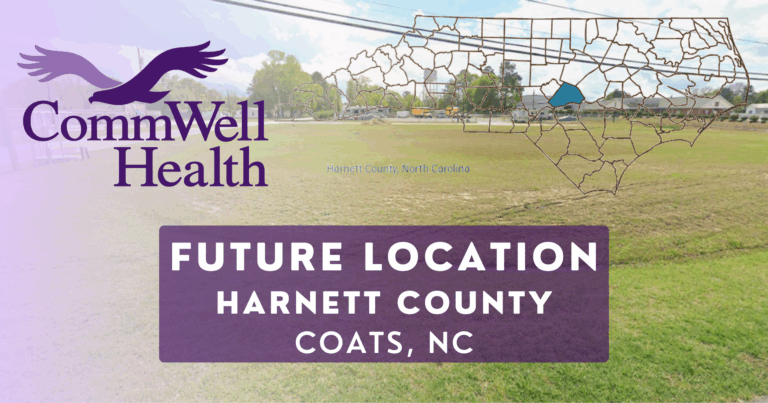
Graphic courtesy of CommWell HealthCommWell Health, a large private nonprofit Community Health Center, was recently awarded a competitive grant through the Health Resources and Services Administration (HRSA) to expand essential healthcare access in C
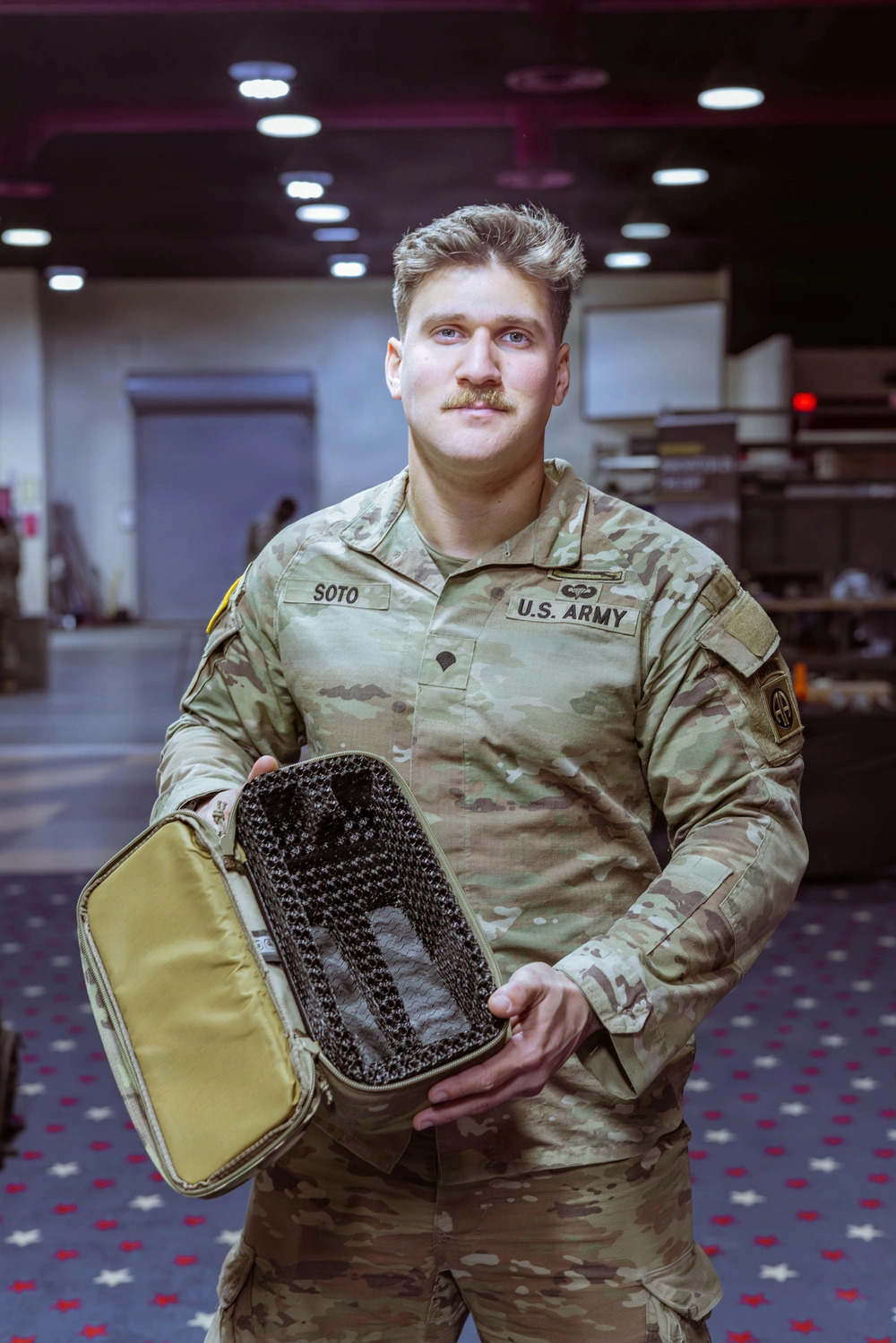
Spc. Alexander Soto, a paratrooper assigned to the 1st Battalion, 504th Parachute Infantry Regiment, presents the modular drone case at the Airborne Innovation Lab, Fort Bragg, North Carolina, Feb. 9, 2026. Soto noted the recurring problem of drones

Graphic provided by Sampson County Friends of AgricultureThe Sampson County Friends of Agriculture would like to invite the greater Fayetteville community to their annual Agriculture Rally on March 17, 2026, at 6:30 p.m. Originally organized by